Best Window Treatments for Sliding Glass Doors in Delray Beach
Compare shades, blinds and drapery for privacy, light control and easy patio access.
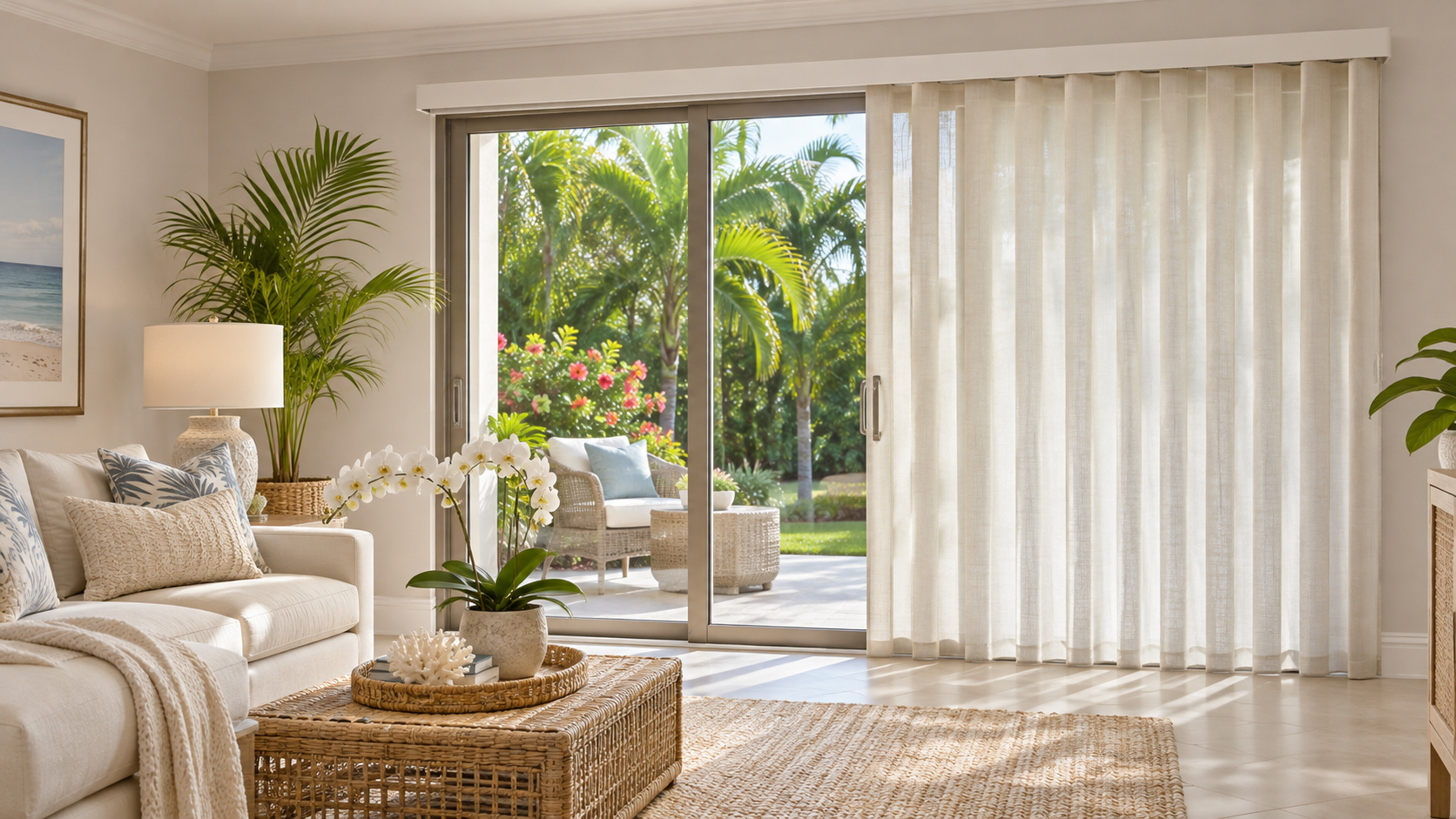
The best window treatment for a sliding glass door depends on how you use it. For an active patio entrance, consider a side-opening vertical treatment or drapery that clears the doorway. For a wide glass wall where a clean view matters, roller or solar shades can be a good fit. Compare privacy, glare, clearance and operation before choosing a fabric.
In Delray Beach, Boca Raton and Boynton Beach, sliding doors bring in beautiful light—but afternoon sun, reflections on a TV and limited nighttime privacy can make a room less comfortable. The right custom treatment should manage the light while keeping the door easy to use.
Schedule a free in-home consultation or call (561) 867-0484 to compare samples in your own room.
Quick comparison: which sliding door treatment fits your home?
Vertical blinds: A practical choice for a frequently used door. Vanes rotate for light control and draw to one side. Check where the open vanes will stack and whether they clear the handle.
Roller or solar shades: A streamlined look for wide openings and coordinated windows. Solar fabrics can soften glare while preserving some view. Raise the shade enough for access; for a wide opening, multiple shades may be preferable to one large shade, subject to product limits and measurements.
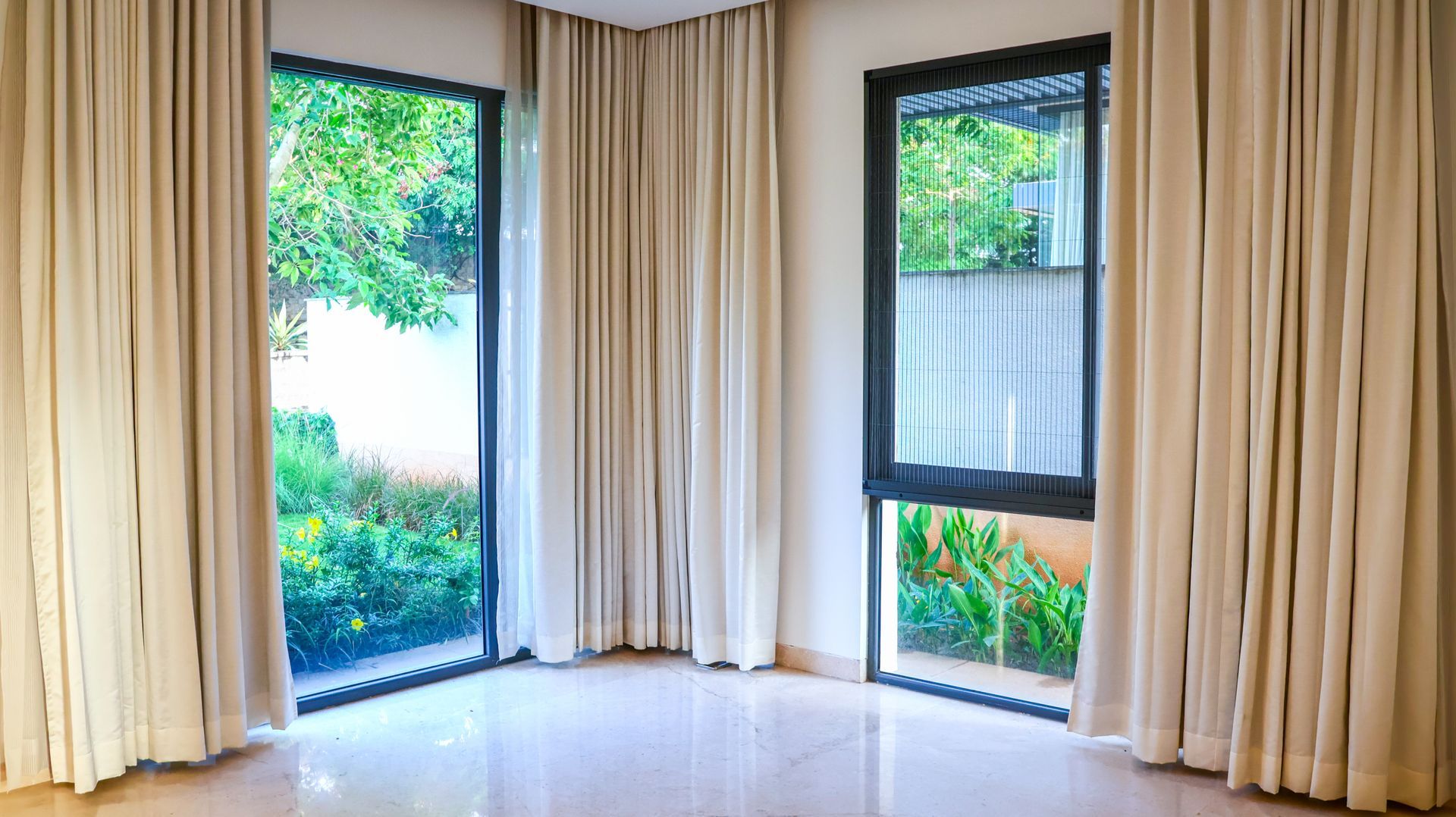
Custom drapery: A softer, layered look with fabric and lining choices. A properly planned track or rod lets panels draw away from the active door. Allow enough wall space for the fabric stack.
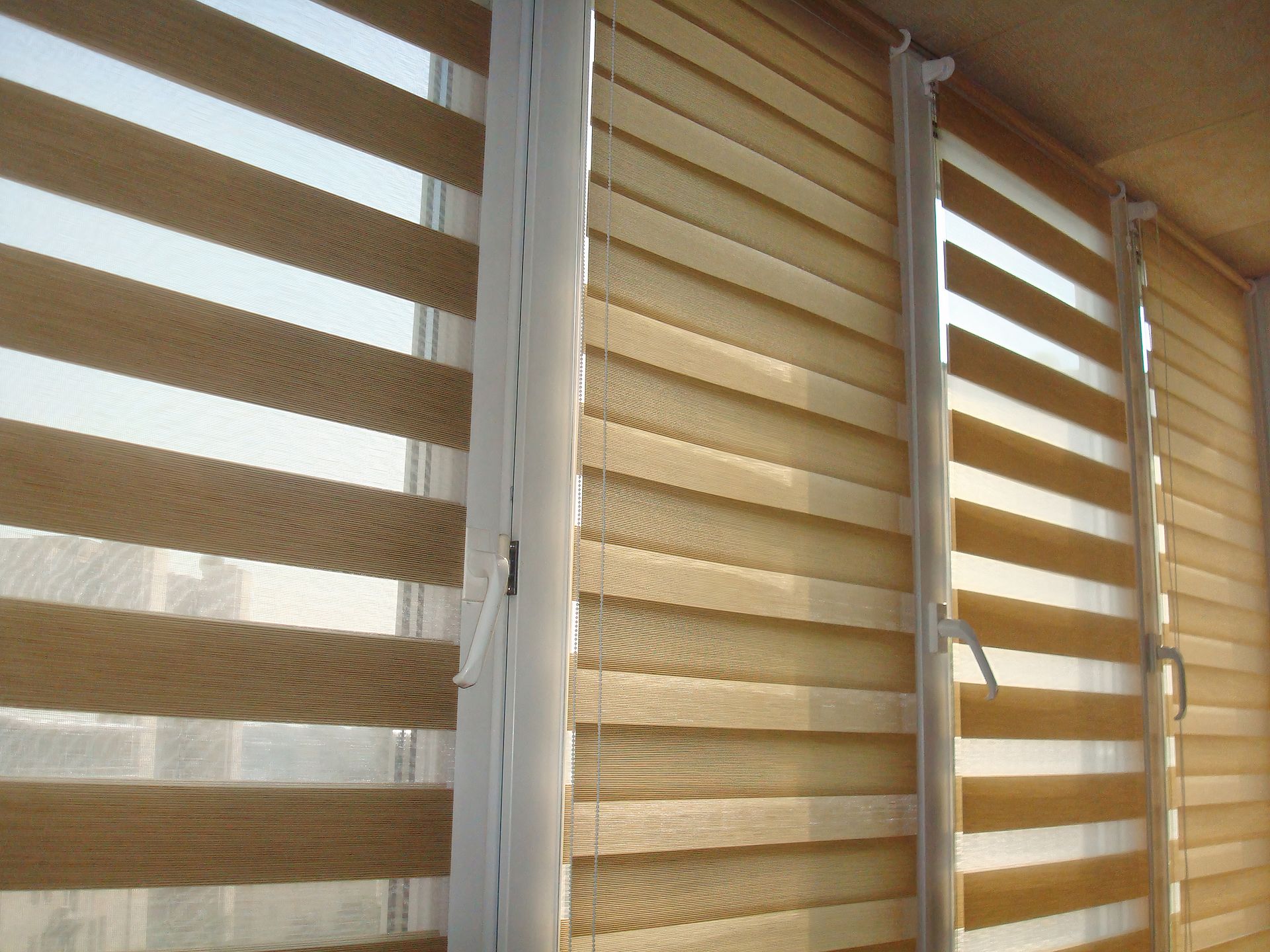
Vertical cellular or panel-track shades: Available in selected systems, these move sideways with the door and can offer a tailored alternative to traditional vanes. Fabric, mounting and configuration choices depend on the product.
Shutters: Sliding or bypass configurations may suit some openings, but panels, tracks and stacking space must be planned around the doorway. A measurement is essential before deciding.
How to choose for a busy patio door
1. Start with the side you use
Identify the moving panel, handle position and the path to the patio. A treatment that looks neat when closed should also move comfortably out of the way when you carry groceries or let a pet outside. Discuss inside versus outside mounting, door trim, headrail clearance and how far the treatment projects into the room.
2. Decide how much view and privacy you need
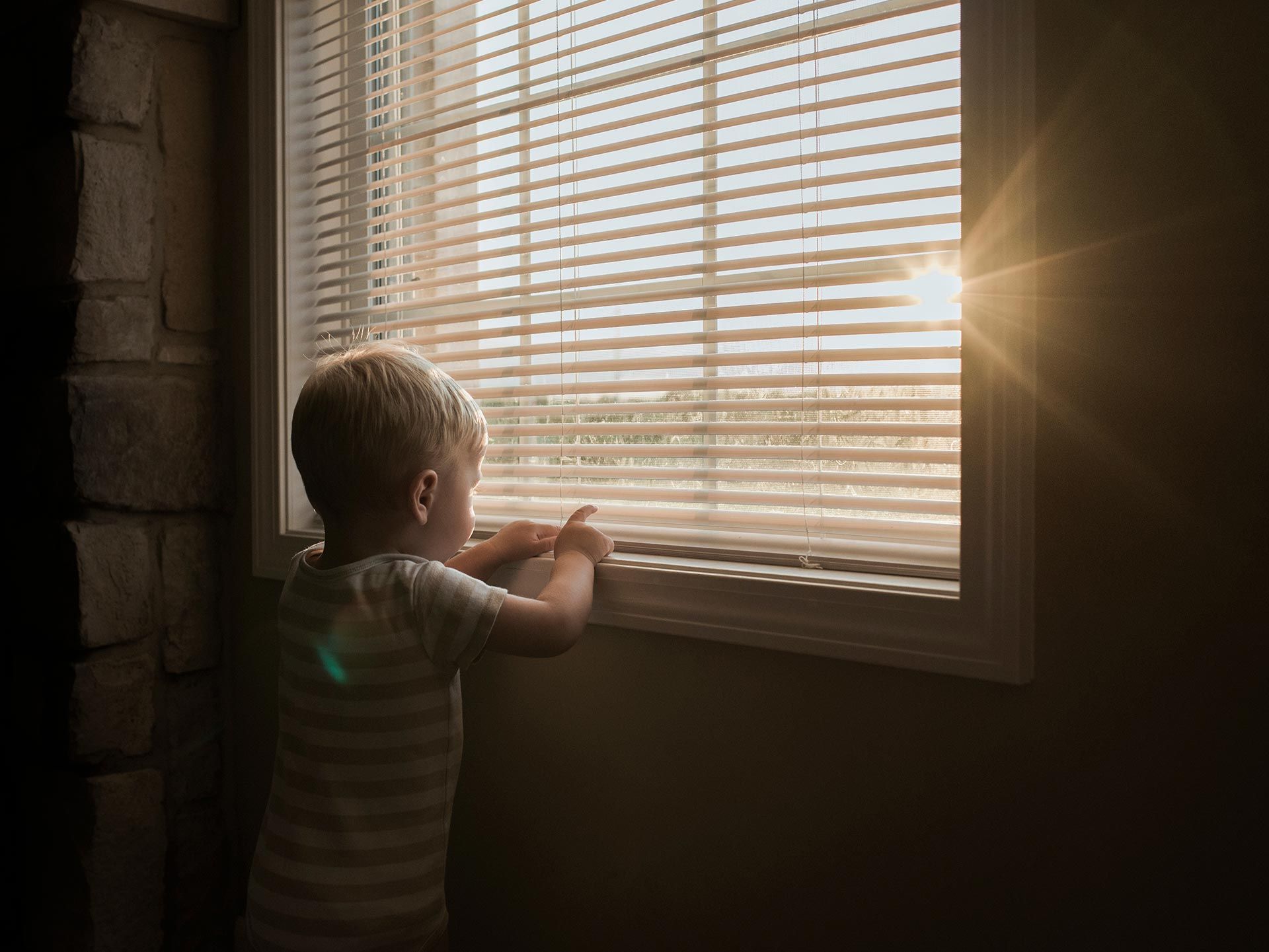
Solar screens can reduce glare while allowing an outward view during the day, depending on the weave, color and lighting. They should not be assumed to provide nighttime privacy: when the room is brighter than outdoors, visibility can reverse. If privacy after dark matters, compare an opaque or lined fabric, a separate privacy layer, or drapery with the shade.
3. Match the fabric to the light
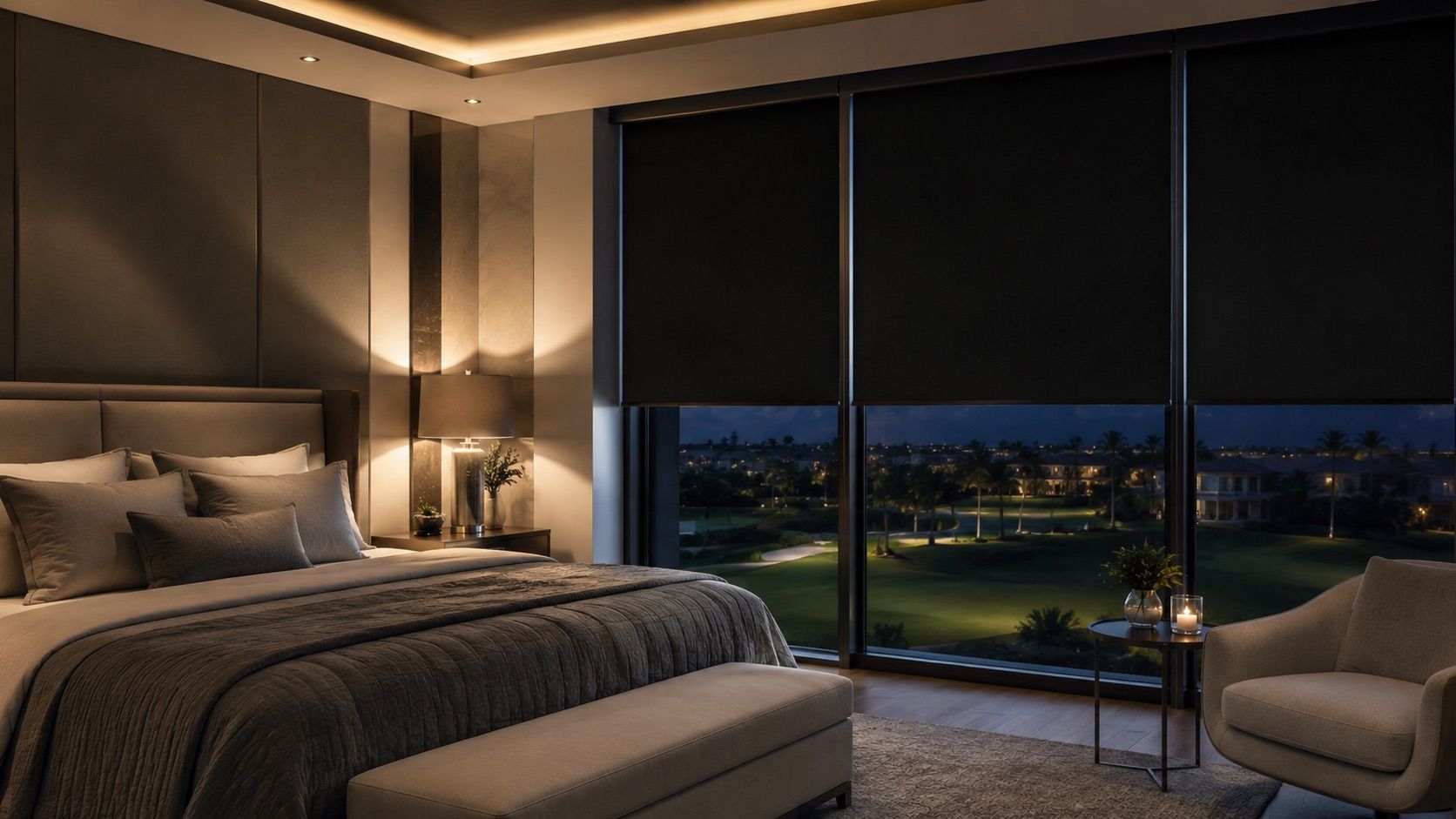
For a sunny living room, a solar or light-filtering fabric can make daylight more comfortable without making the room feel closed off. For a bedroom, consider room-darkening or blackout material and ask about coverage at the edges. A blackout fabric does not automatically eliminate every light gap.
The U.S. Department of Energy notes that properly used interior shades and blinds can reduce unwanted solar heat gain. The actual effect depends on the window, fabric, exposure and how the covering is used; no particular energy saving is guaranteed. Read the Department of Energy guidance.
4. Consider motorization where it helps
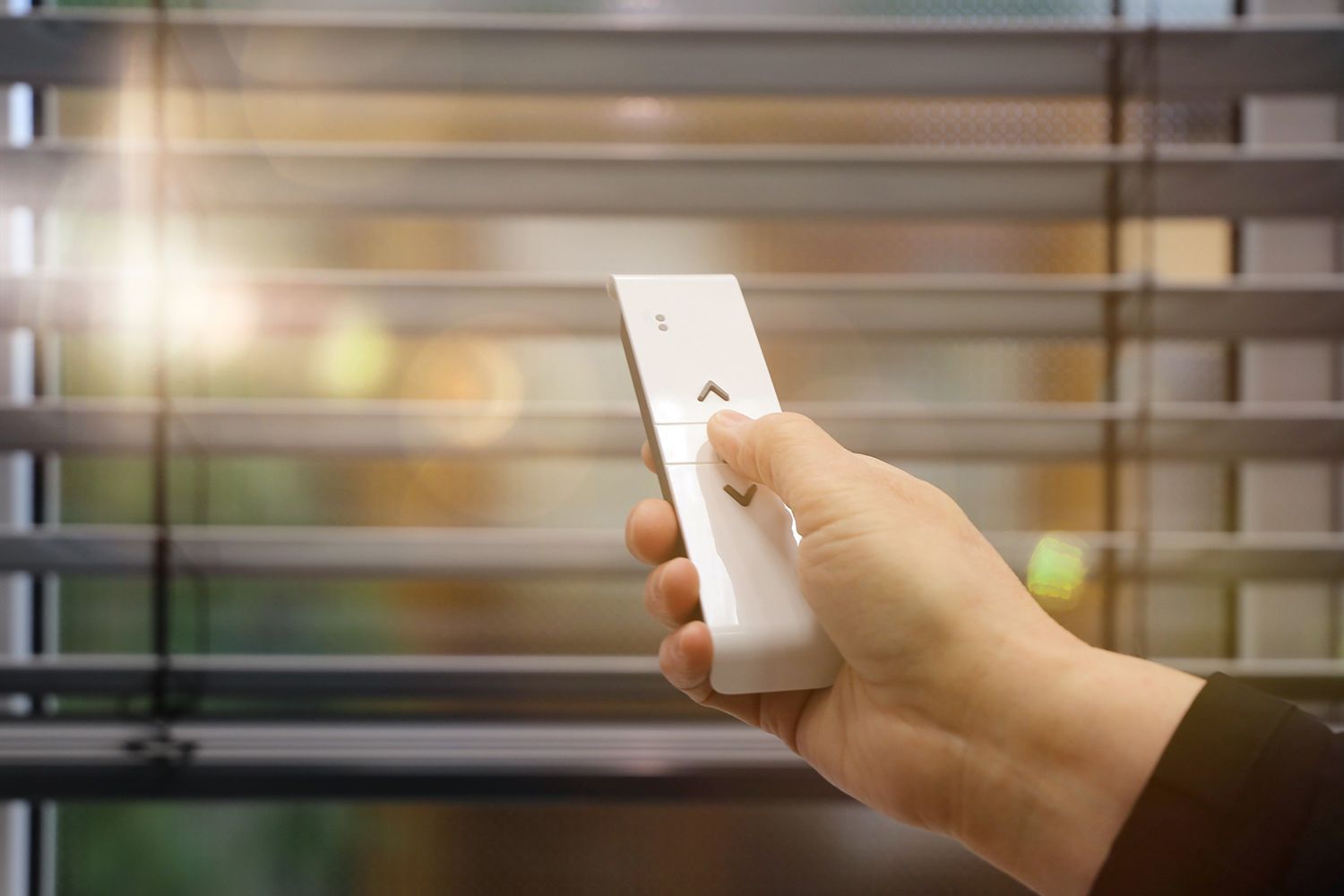
Motorized roller shades can make a large or hard-to-reach opening easier to adjust. Depending on the chosen product, power may come from a rechargeable battery or a wired supply. Remote control is one option; app control, schedules and voice assistants may require a compatible motor and hub. Confirm the specific system and power access before ordering. See our smart shades and automation options.
What affects the price?
Pricing depends on the opening’s width and height, the number of panels or shades, fabric and lining, operating system, mounting conditions and installation. Motorization and any required hub or electrical work can add to the project. An in-home measure and itemized quote provide a more useful comparison than a generic price per door.
Questions to ask before ordering
- Can the treatment clear the active door and handle when open?
- Where will the fabric or vanes stack, and how much of the view will they cover?
- How does the selected fabric look from outside at night?
- Are there HOA or condo rules about the outward-facing color?
- Will you need a remote, rechargeable battery, bridge or electrical work?
- Can the treatment coordinate with the other windows in the room?
Frequently asked questions
Are vertical blinds the only option for sliding glass doors?
No. Depending on the opening and how often it is used, roller shades, drapery, vertical cellular systems, panel tracks and certain shutter configurations may also work. Each needs enough clearance for safe, comfortable access.
Can roller shades cover a sliding door?
Yes, when the selected system is suitable for the opening and installed with appropriate clearance. A shade may need to be raised before using the door. Wide doors may need multiple sections; product size limits and the opening’s dimensions determine the layout.
Can I keep my view and have nighttime privacy?
A solar screen alone may not do both. A layered combination, such as a view-preserving screen with a separate privacy shade or drapery, can give you more flexibility. Compare samples with your room’s day and evening lighting.
See the options at home
Surfside Blinds brings samples to your home, helps you compare styles and measures your opening for a custom fit. We serve Delray Beach, Boca Raton, Boynton Beach and nearby Palm Beach County communities, with professional installation.
Request your free in-home consultation or call (561) 867-0484. Tell us how you use the door and what you want to improve—glare, privacy, convenience or the look of the room.