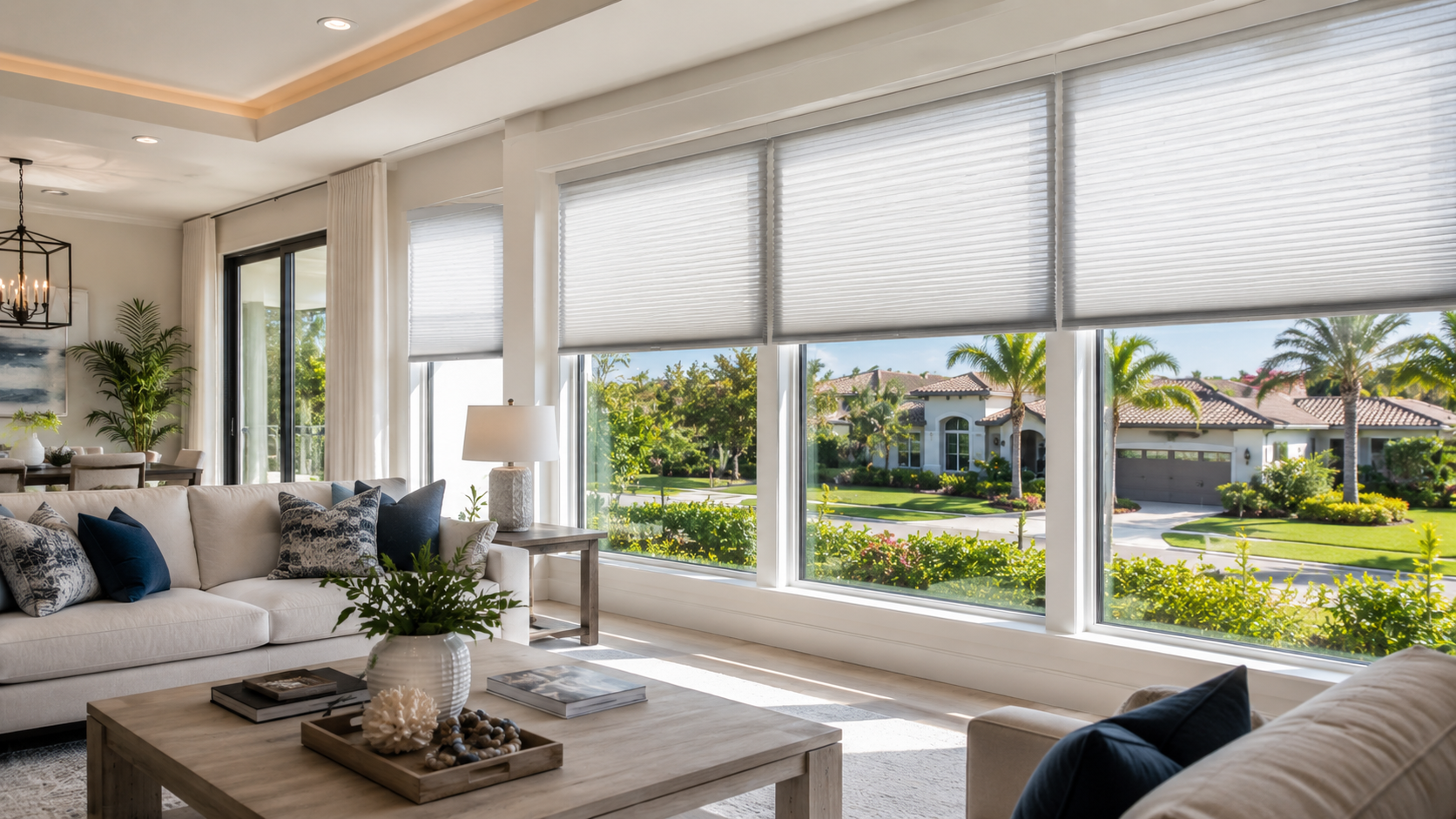
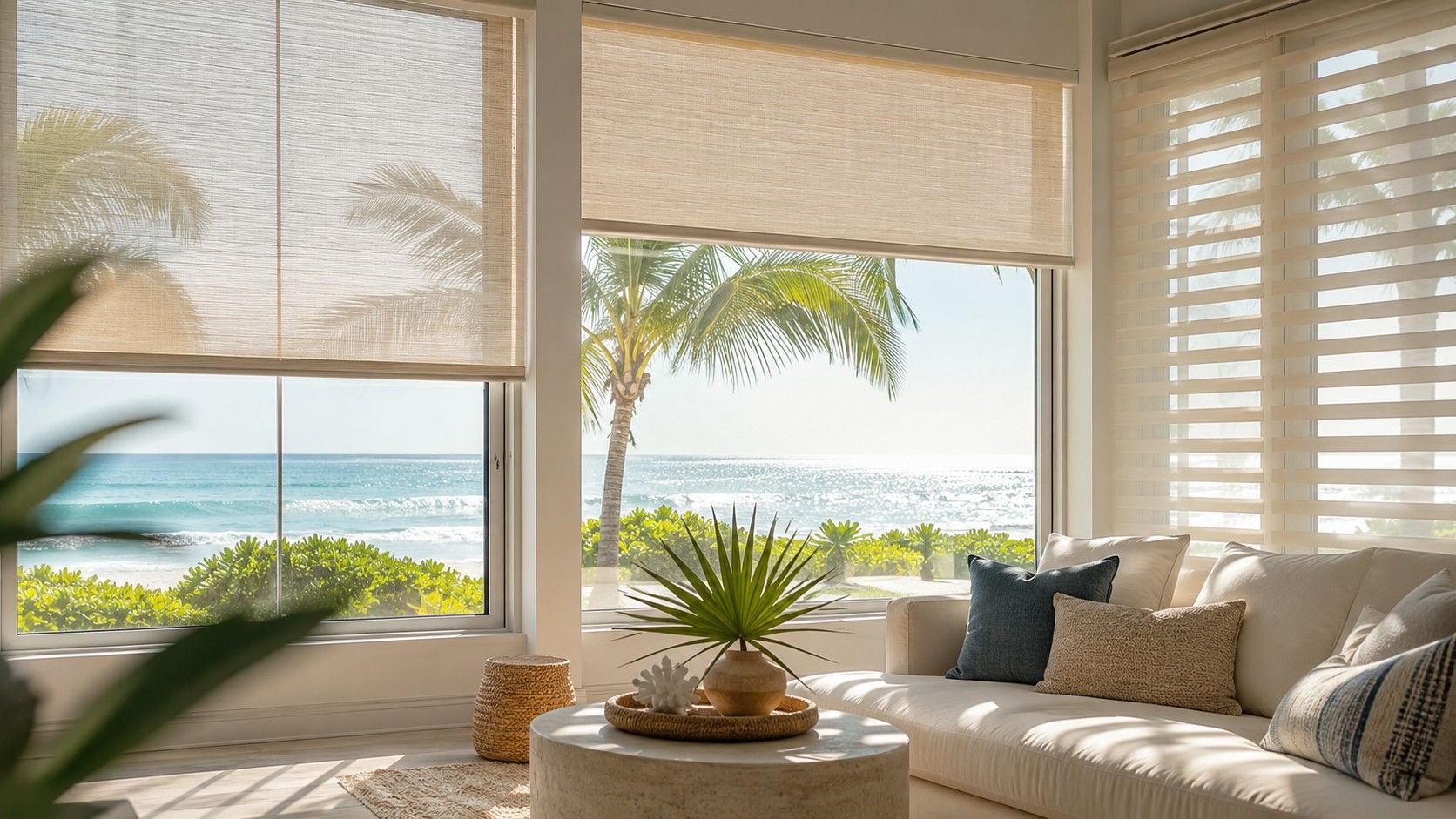
The national averages for window treatment lifespans are wrong for South Florida. UV, salt air, and humidity compress every timeline — sometimes by years.
Here is what to actually expect — product by product — in Delray Beach, Boynton Beach, and Boca Raton.
Most homeowners in South Florida have no idea how old their window treatments are. They came with the house, or were installed during a renovation years ago, and have been operating in the background ever since — getting dustier, fading a little more each summer, until something finally breaks or the HOA sends a notice.
The national guides you find online quote average lifespans of eight to ten years across the board. Those numbers are based on temperate climates with moderate UV, low humidity, and no salt air. They do not apply to Delray Beach, Boynton Beach, or Boca Raton, where the Florida sun runs hard for ten months of the year, coastal salt air accelerates material degradation, and humidity does things to fabric and wood that inland homeowners never experience.
Here is what actually lasts, what fails faster than you expect, and the signs that tell you it is time to stop repairing and start replacing.
Lifespan by Product — South Florida Specific
Composite Plantation Shutters
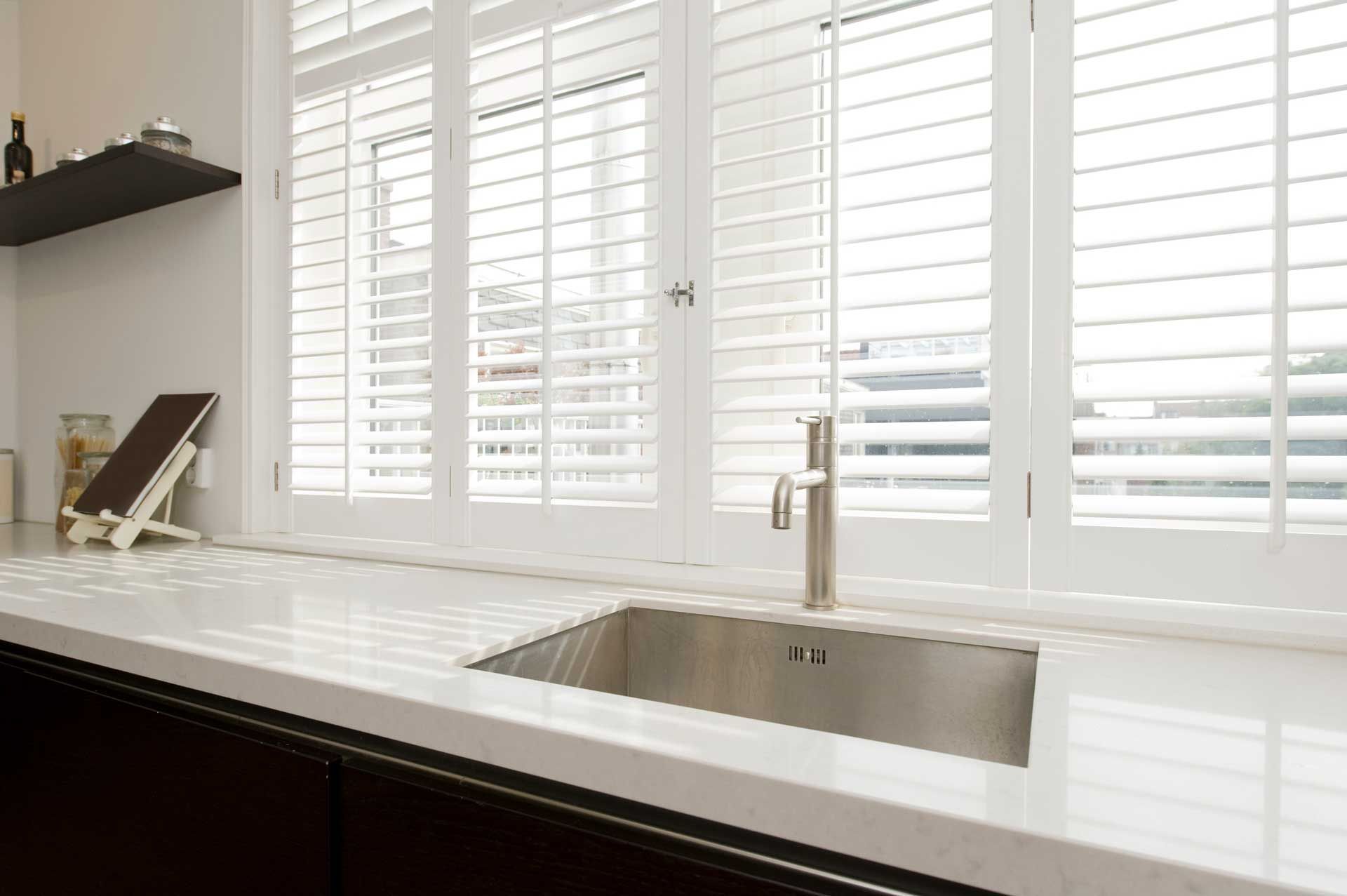
20–25+ years Florida performance: ExcellentThe longest-lasting window treatment in the South Florida market. Composite and polywood materials resist moisture, salt air, UV, and humidity without warping, fading, or cracking. The correct material specification for any coastal Palm Beach County home.
Real Wood Shutters
10–15 years Florida performance: Fair — location dependentReal wood performs well in interior rooms away from direct moisture. On coastal properties, in kitchens and bathrooms, or in rooms with high humidity, wood shutters show warping and degradation significantly faster than composite alternatives.
Solar & Roller Shades
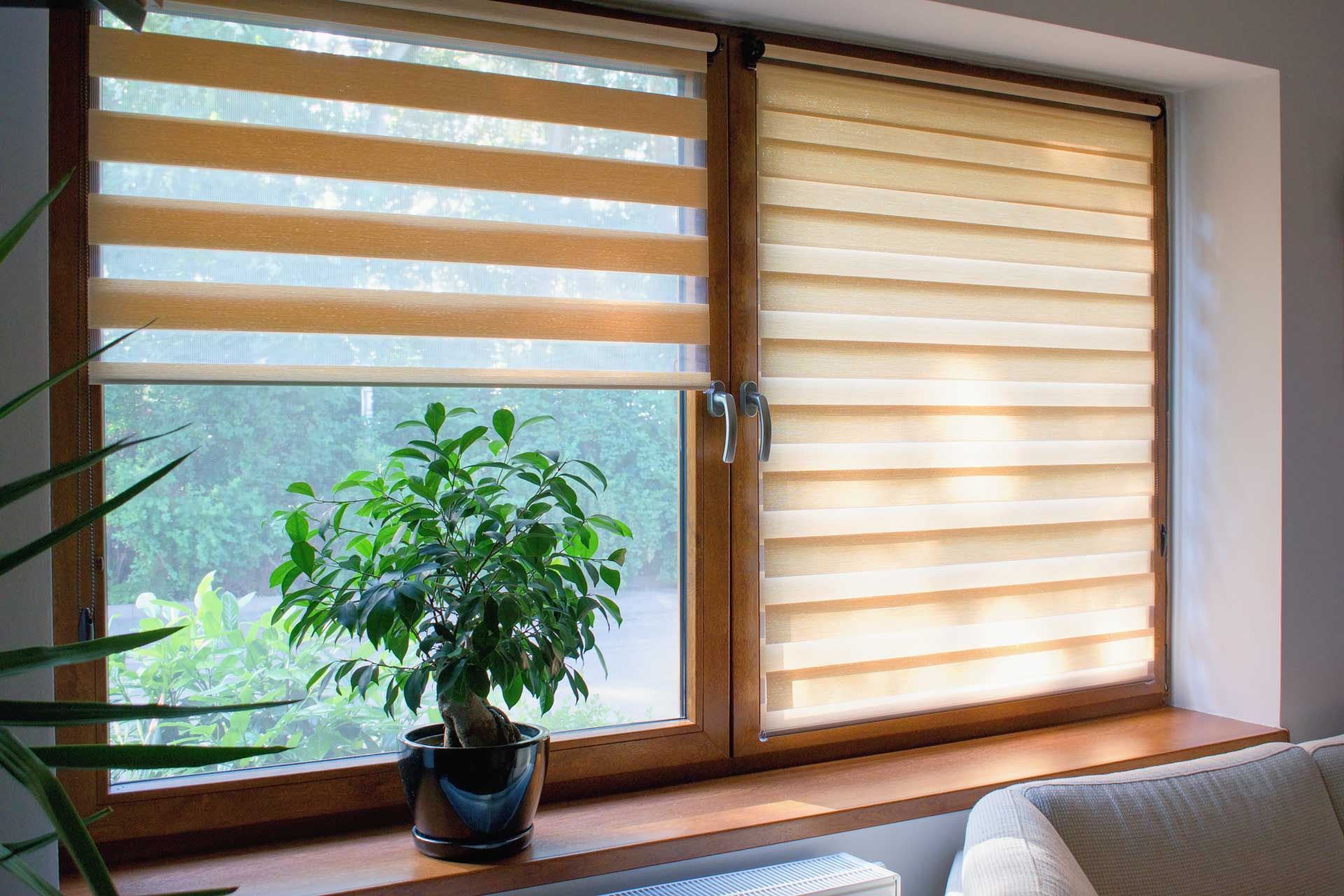
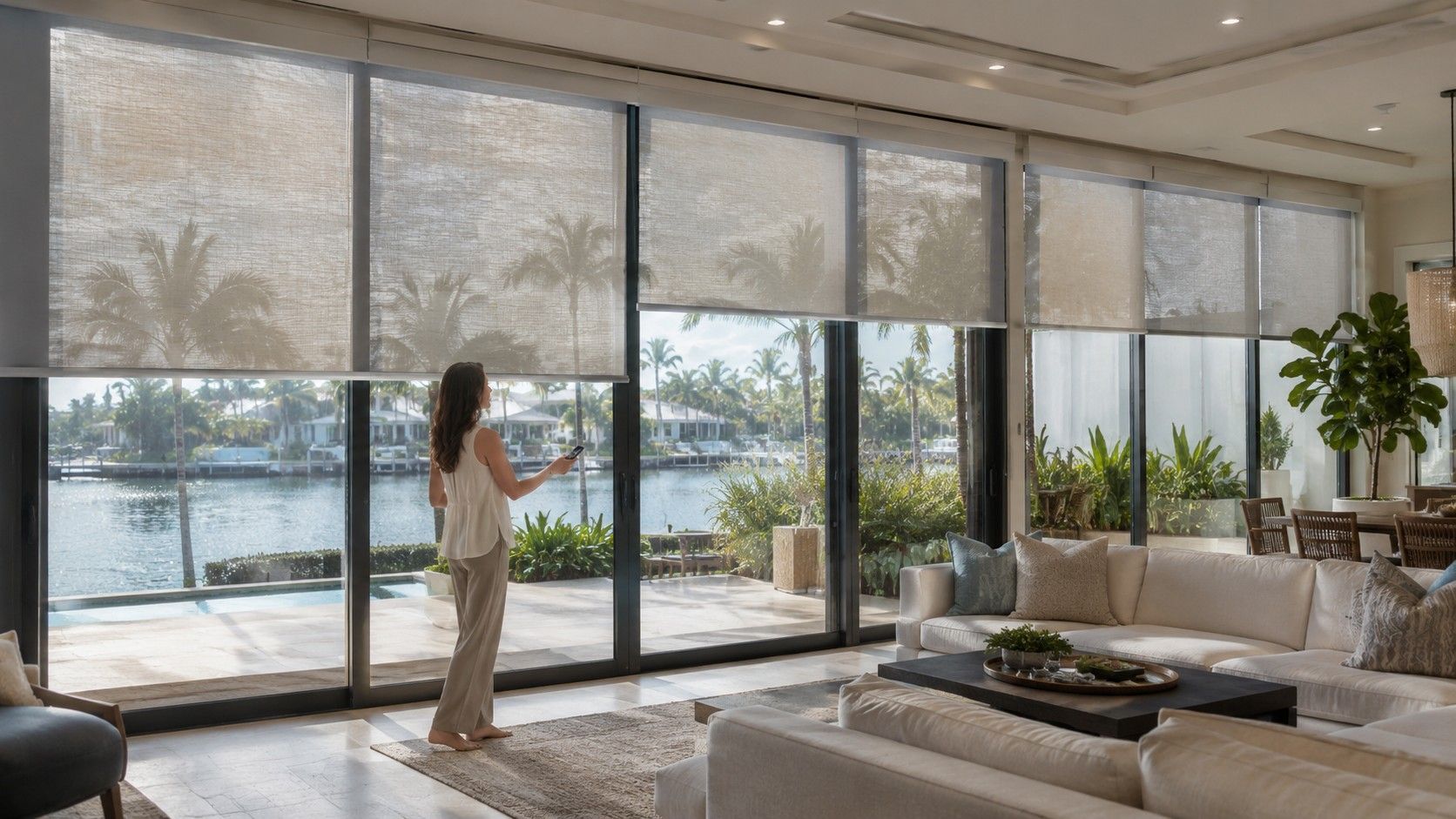
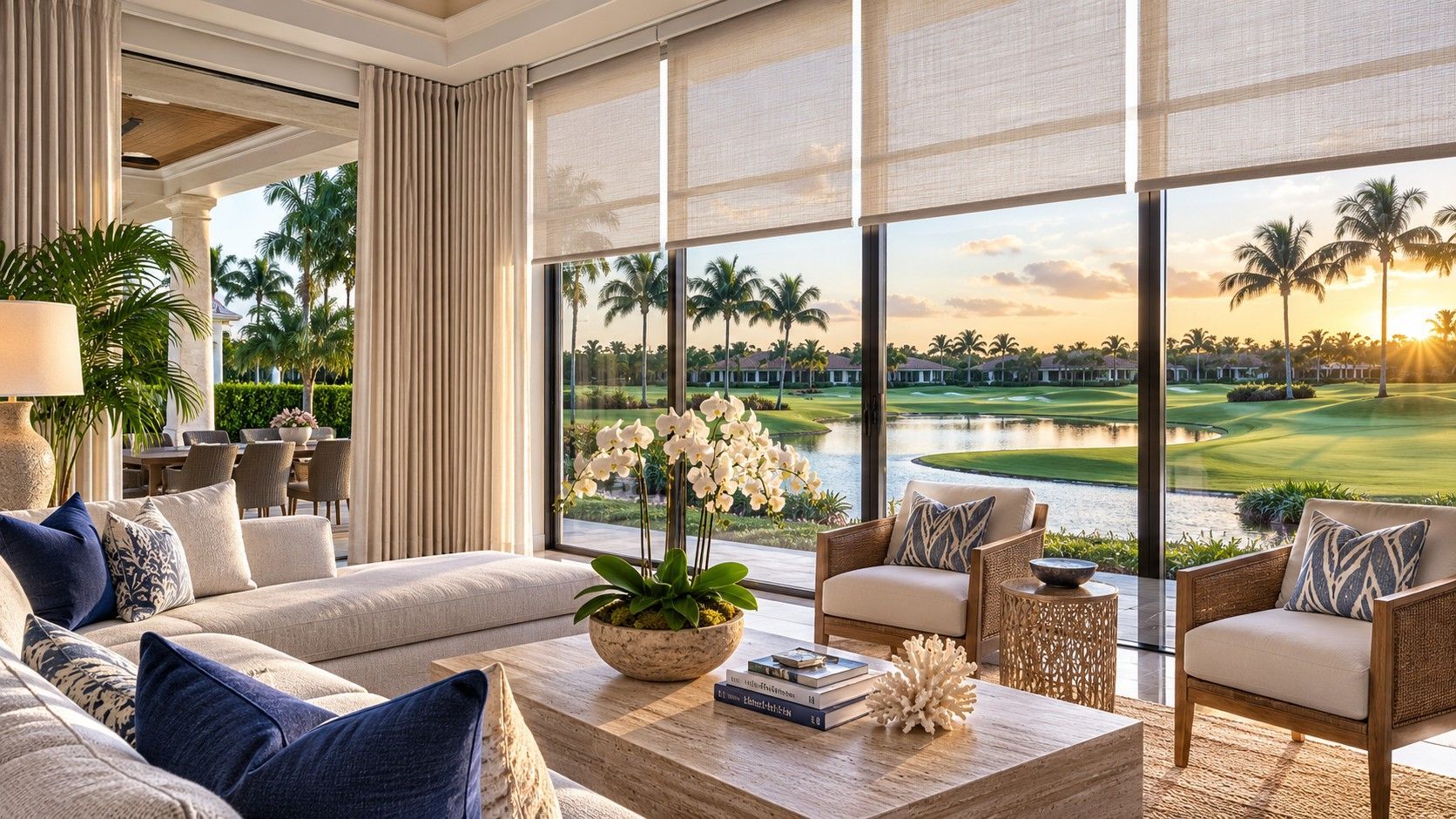
7–12 years Florida performance: Good with right fabricUV-stabilized and solution-dyed fabrics reach the high end of this range. Standard or surface-dyed fabrics on west-facing windows can show visible yellowing and breakdown within 3 to 5 years in Florida's coastal UV environment. Fabric specification is everything.
Motorized Shades
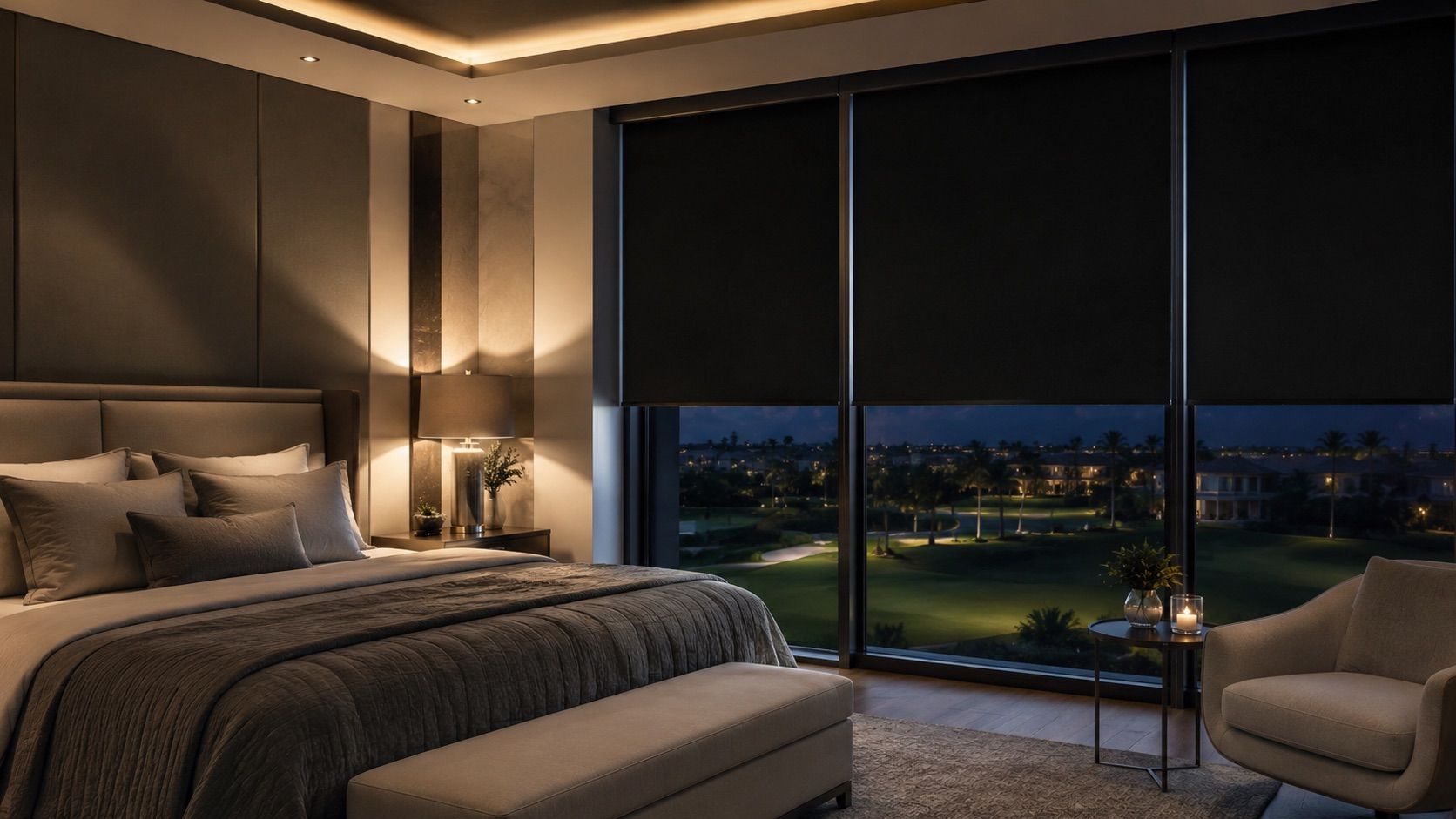
7–12 years (fabric) / 8–10 years (motor) Florida performance: GoodThe fabric lifespan matches non-motorized roller shades. Motors themselves typically last 8 to 10 years with regular use. Motorized operation actually extends fabric life because precise consistent movement causes less wear than manual operation.
Cellular / Honeycomb Shades
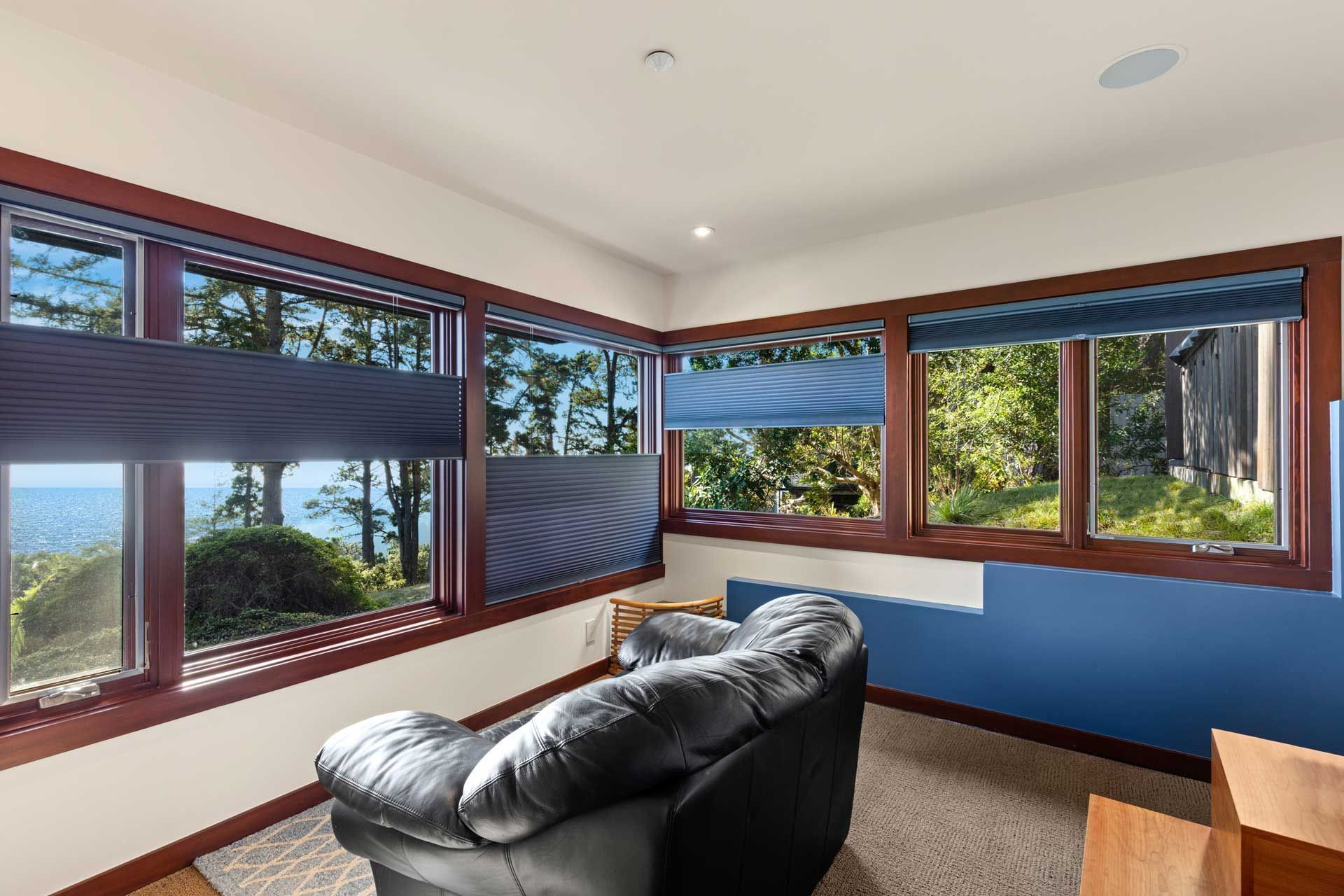
5–9 years Florida performance: Fair — see note belowThe honeycomb cell structure that makes these energy-efficient is also what makes them vulnerable in Florida. The delicate fabric cells degrade from UV and humidity simultaneously. This is the treatment most South Florida homeowners are surprised to replace sooner than expected.
Faux Wood / PVC Blinds
7–10 years Florida performance: GoodMoisture-resistant by design. Hold up well in kitchens, bathrooms, and coastal rooms where real wood would deteriorate. Slats can bend under impact but resist the UV fading and humidity warping that affect other materials.
Vertical Blinds
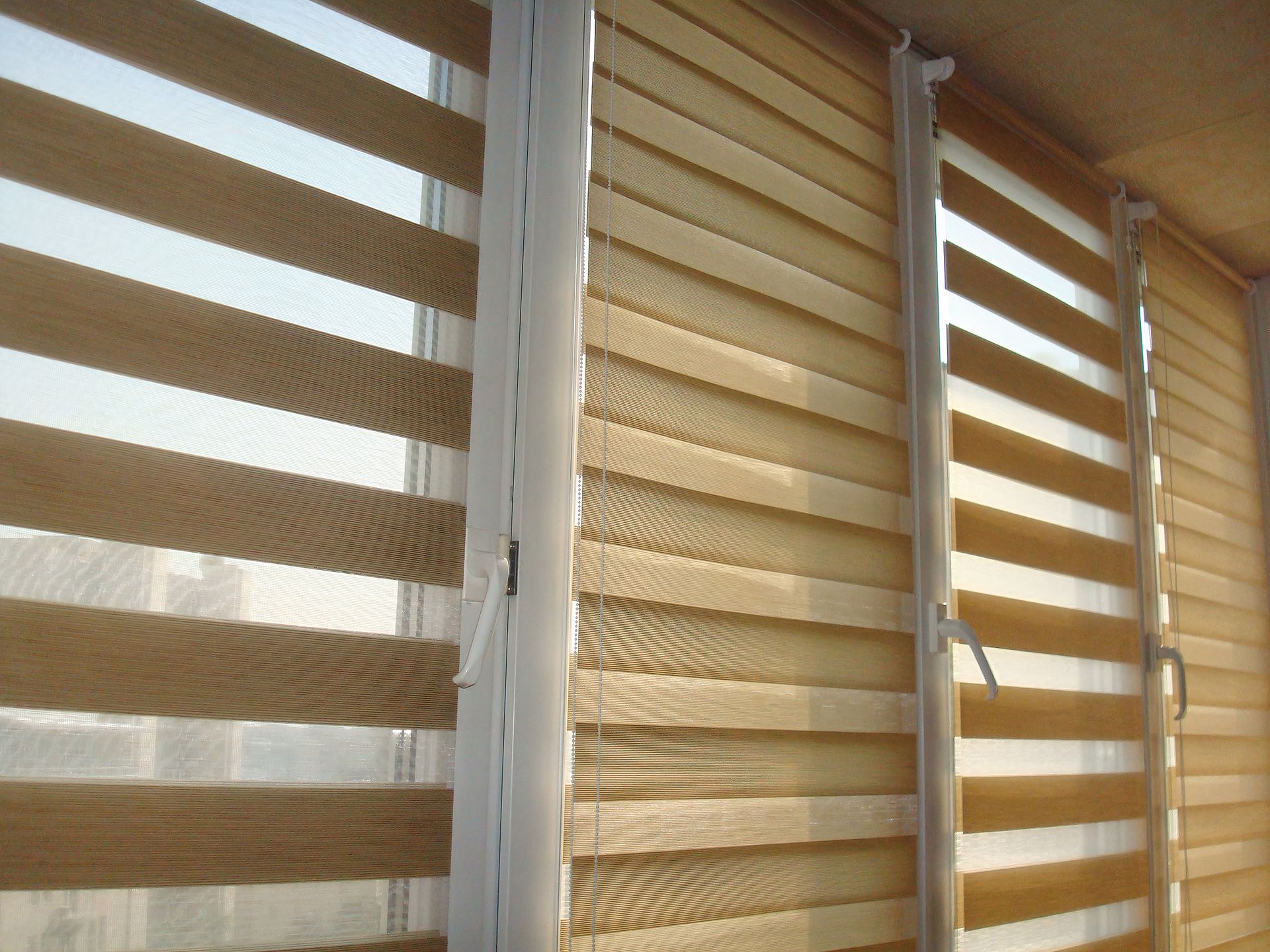
3–7 years Florida performance: PoorThe shortest lifespan of any common window treatment in South Florida. Plastic slats become brittle in UV, discolor, and break. Builder-grade vertical blinds on west-facing sliding doors often show visible deterioration within 2 to 4 years in Palm Beach County.
Drapery & Curtains
7–15 years Florida performance: VariableLined, quality drapery reaches the high end of this range. Unlined or lightweight fabrics in direct sun fade significantly faster. South Florida's UV intensity makes lining essential on any drapery with sun exposure.
Why South Florida Compresses Every Timeline
The three environmental factors that make window treatment lifespans shorter in Palm Beach County than the national average are UV intensity, salt air, and humidity. Understanding how each one works helps you make better material decisions and know what to look for as treatments age.
UV intensity. Florida has one of the highest UV indices in the continental United States and the sun runs for most of the year rather than concentrating in a few summer months. UV radiation breaks down fabric dyes, weakens plastic polymers, and degrades the finishes on wood and composite materials. Products with surface-applied color or finish lose their appearance first. Solution-dyed fabrics and UV-inhibitor finishes resist this degradation significantly longer — which is why specifying the right material for Florida conditions matters more than the brand name on the box.
Salt air. Properties within a few hundred feet of the ocean or Intracoastal experience accelerated corrosion at the hardware level — brackets, tracks, tilt rods, and fasteners — and material degradation at the surface level for anything not rated for coastal exposure. The effects are not visible in year one. They become apparent in year three or four when standard hardware corrodes, finishes bubble, and fabrics that seemed fine begin to show accelerated wear.
Humidity. Year-round elevated humidity in South Florida is particularly hard on natural materials — real wood shutters, woven bamboo shades, natural fabric drapery — and on the delicate cell structures of cellular shades. The combination of UV from above and humidity from ambient air simultaneously attacks cellular shade fabric from both directions, which is why this product type fails faster in Florida than the national average suggests.
"In South Florida, the wrong material specification at installation guarantees early replacement. The right one means you may never replace that window treatment again."
The 7 Signs It Is Time to Replace — Not Repair
Yellowing or discoloration that does not clean off
This is UV oxidation at the material level — not dirt, not dust, not mold. It cannot be cleaned off because the damage is in the material itself. Once a blind, shade, or shutter component has yellowed from UV exposure, the appearance will not recover. Cleaning may temporarily make it look better but the discoloration returns.
Warping, bowing, or bending that affects operation
Wood and faux wood blinds that have absorbed moisture will bow across the slat. Shutter panels that have warped will not close flush. Once the material has deformed under moisture or heat, it will not return to its original shape. This is a replacement trigger, not a repair.
Cellular shades that have lost their cell structure
This is the one that surprises most South Florida homeowners. The honeycomb cells in cellular shades — the structure that makes them energy-efficient — are made of delicate layered fabric. When UV and humidity degrade the fabric simultaneously over four to seven years in Florida, the cells begin to collapse, the shade no longer hangs flat, and the insulating performance disappears. You can see it when the shade is raised — the cells look crushed or deflated rather than fully open. This is not repairable.
Broken components that cannot be individually replaced
A single broken slat in a set of horizontal blinds cannot typically be matched after a few years — the color has faded on the existing slats relative to a new replacement. A broken shutter louver in a wood set may be replaceable but will not match the aged finish of the surrounding louvers. When broken components cannot be matched, replacement of the entire treatment is usually the cleaner and more cost-effective outcome.
Mechanism failure that affects daily operation
A shade that will not raise fully, a blind with a jammed tilt mechanism, a shutter with a loose tilt rod — operational failures that make the treatment difficult or impossible to use properly. Some mechanism failures are repairable. When the mechanism failure is a symptom of general wear across the product rather than an isolated component issue, replacement is more reliable than repair.
HOA exterior appearance concern
In Palm Beach County's HOA communities, window treatments visible from outside that have faded, discolored, or become uneven in appearance are a common source of violation notices. Vertical blinds with broken or missing slats, shades that have yellowed visibly from the street, and treatments that no longer close uniformly all attract board attention. A HOA notice is a clear replacement trigger — and an opportunity to upgrade to a treatment that will not generate another notice for twenty years.
The treatment is simply not doing its job anymore
Window treatments exist to control light, provide privacy, and protect interiors. When a shade no longer blocks meaningful light, when blinds that used to darken a room now let in visible light through degraded slats, when treatments that once provided full privacy now have gaps — the functional purpose of the product has been compromised regardless of whether it is technically still operating.
The Florida Rule on Material Specification
The single most important decision you make when replacing window treatments in a South Florida home is material specification — not brand, not price point, not color. Choosing the right material for the Florida environment is what determines whether you replace treatments once and are done, or replace them again in five years.
What fails fastest in Florida: Real wood shutters on coastal or high-humidity installations. Surface-dyed shade fabrics on west-facing windows. Standard hardware without corrosion resistance on waterfront properties. Builder-grade vertical blinds anywhere. Unlined natural fabric drapery with direct sun exposure.
What lasts longest in Florida: Composite plantation shutters. Solution-dyed UV-stabilized solar shade fabrics. Marine-grade or stainless hardware on coastal properties. Motorized operation that reduces mechanical wear on any fabric treatment. Faux wood or PVC in high-humidity rooms.
Repair vs Replace — How to Decide
Repair makes sense when the failure is isolated to a single mechanism component, the treatment is otherwise in good condition visually, and the age of the product is within the first half of its expected lifespan. A shade with a stuck roller but intact, clean fabric is worth repairing. A shade that operates fine but has visibly yellowed and faded is not — the mechanism repair will not address the appearance problem.
Replace when the material itself has degraded, when the appearance cannot be restored by cleaning or component replacement, when the product is past the midpoint of its expected lifespan, or when you are already dealing with the treatment repeatedly for small issues — because that pattern tends to accelerate, not resolve itself.
The honest answer is that a free in-home assessment is the fastest way to get a clear answer on any specific treatment. Walking through the home and looking at each window takes less time than the research it takes to figure out the answer on your own, and it costs nothing.
Surfside Blinds offers free in-home consultations throughout Delray Beach, Boynton Beach, Boca Raton, and the surrounding Palm Beach County communities. Scott Smith handles every consultation personally. If what you have is worth repairing, we will tell you. If replacement is the right call, we will tell you that too — and show you exactly what goes in its place.