
Installing the wrong window treatments in a Boynton Beach condo can result in a fine, a removal order, or both. Here is how to get it right the first time.
Everything single-family homeowners take for granted — condos change.
Boynton Beach has one of the highest concentrations of condominium communities in Palm Beach County. High-rise towers along the Intracoastal, mid-rise complexes near the beach, garden-style buildings tucked into gated communities throughout the city. If you own or recently purchased a condo here, you already know that the rules governing what you can do inside your unit are different — sometimes significantly different — from what a single-family homeowner a mile away can do with no one's permission but their own.
Window treatments are one of the most common areas where condo owners run into problems. Not because the products are complicated, but because the buying process for a condo requires steps that single-family buyers never have to think about — HOA review, exterior appearance compliance, installation constraints, and in some buildings, specific restrictions on what can be mounted to the frame or wall. Buying window treatments without understanding these constraints first is how people end up with an expensive installation they are required to remove.
Surfside Blinds installs window treatments in condominiums throughout Boynton Beach. Here is what to know before you order anything.
Why Condo HOA Rules Are Different From Single-Family HOA Rules
Single-family HOA communities in Boynton Beach mostly care about what your home looks like from the street — exterior paint, landscaping, what is visible through the front windows. Condo associations go further because in a condo building, your window is also part of the building's exterior. The glass and frame are typically common elements that the association maintains, not owner-exclusive property.
Under Florida law, window treatments visible from outside through impact glass can qualify as an exterior alteration under some condo declarations — which means they may require board approval before installation even though they are inside your unit. This is not a technicality that associations rarely enforce. It is a provision that active boards in Boynton Beach exercise regularly, particularly in buildings where maintaining a uniform exterior appearance is a stated priority.
Before you order anything: Pull your condo association's CC&Rs — the covenants, conditions, and restrictions document — and search it for the words "window," "treatment," "covering," "exterior," and "approval." The rules that apply to your specific building are in that document, not in any general guide including this one. If you cannot find the document, request it from your property manager. They are required to provide it.
What Most Boynton Beach Condo HOAs Actually Require
While every association's governing documents are different, the most common requirement across Boynton Beach condo communities is a uniform exterior appearance. This practically means:
Typical HOA exterior appearance requirements for window treatments:
- White or off-white backing visible from outside — the color facing the exterior must be neutral regardless of what color faces into the room
- No reflective, metallic, or foil-type materials visible from the building exterior
- No dark-colored or heavily patterned fabrics visible through the glass from shared areas, the street, or waterways
- No aluminum foil, cardboard, or non-treatment materials used as window coverings — this sounds obvious but associations cite it regularly
- Some buildings specify that vertical blinds are prohibited on balcony-facing windows and sliding doors due to their appearance when partially open
- Balcony-facing sliding doors often have stricter standards than interior or side-facing windows
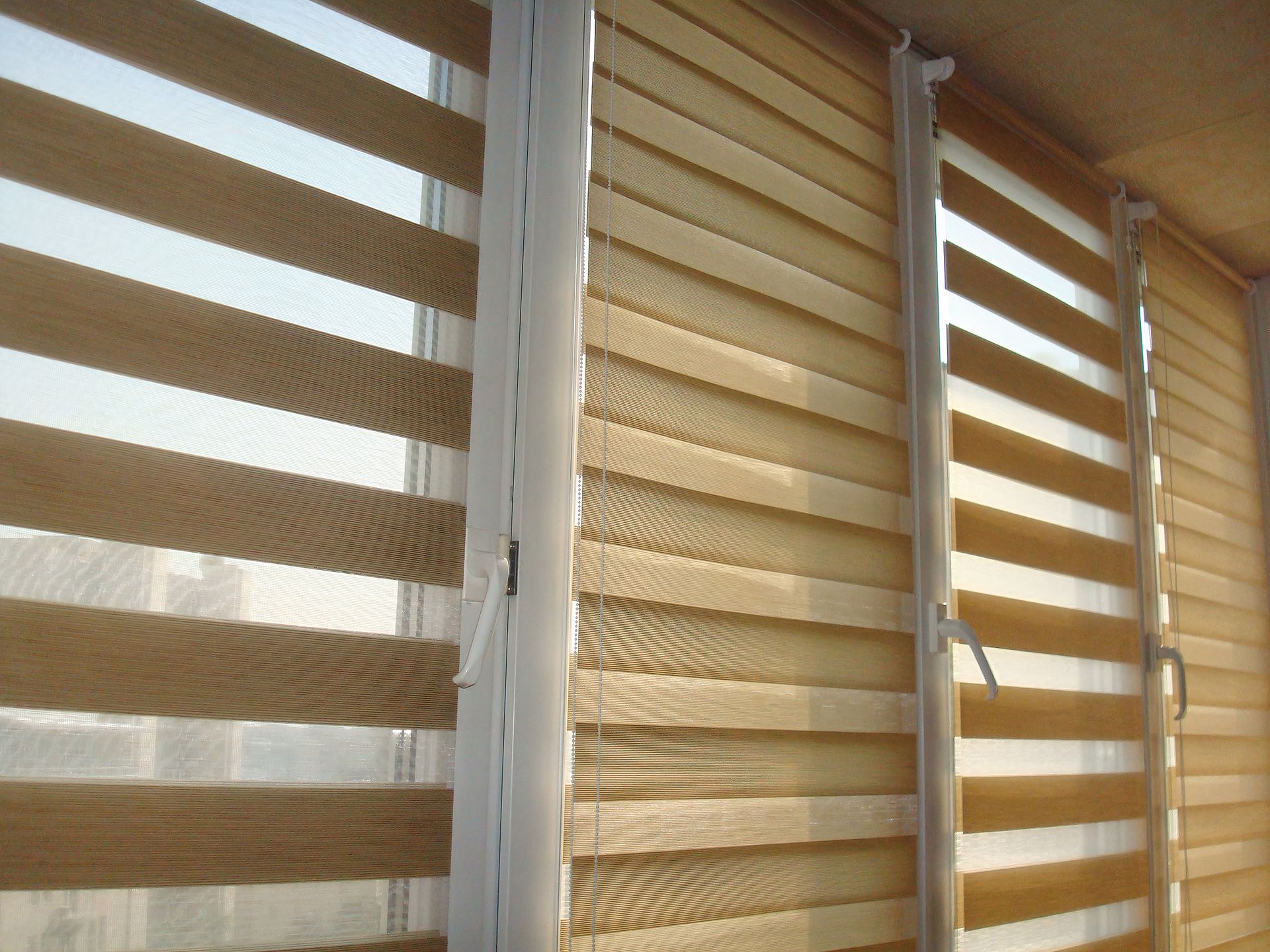
The practical takeaway is that roller shades with white fabric backing, cellular shades in neutral tones, and composite plantation shutters in white or off-white pass virtually every Boynton Beach condo HOA exterior appearance requirement without board review. These are the safe choices. Anything dark-colored, patterned, or with a non-neutral exterior-facing surface needs to be verified against your specific CC&Rs before you commit to it.
The Installation Constraint Most Buyers Miss
Beyond the exterior appearance rules, condo installations have physical constraints that single-family homes do not. The most common is the no-drill or limited-drill restriction in buildings where modifying the window frame, the concrete surround, or the drywall requires association approval or is prohibited outright under the lease or ownership agreement.
This is more common than most buyers realize and it changes the installation approach significantly. Standard window treatment mounting assumes you can drill into the frame or wall. When that is restricted, the options narrow to:
Tension-mounted systems: Pressure-fit rods or channels that hold the treatment in place using tension against the frame interior without any fasteners. Works well for lightweight cellular shades and some roller shades on standard-width windows. Not ideal for very wide windows or heavy products.
Inside-mount with minimal hardware: Some window frames in Boynton Beach condos — particularly in newer construction — are deep enough to accept inside-mount brackets that grip the frame without drilling into surrounding structure. This requires precise measurement but leaves no permanent modification to the building.
Adhesive-mount systems: Command strip-style mounting for very lightweight treatments in low-traffic windows. Limited to small windows and lightweight products — not appropriate for large sliding doors or motorized treatments.
Freestanding room divider panels: For open-plan condos where a permanent window treatment is not practical, floor-to-ceiling panel systems that stand independently are an option for privacy without any wall or frame modification.
"The constraint most Boynton Beach condo buyers discover after ordering is the one they should have asked about before. A five-minute conversation during the consultation prevents an expensive problem after installation."
Products That Work Best in Boynton Beach Condos
Given the combined constraints of HOA exterior appearance requirements and installation limitations, here is what we install most frequently in Boynton Beach condo units and why each choice works:
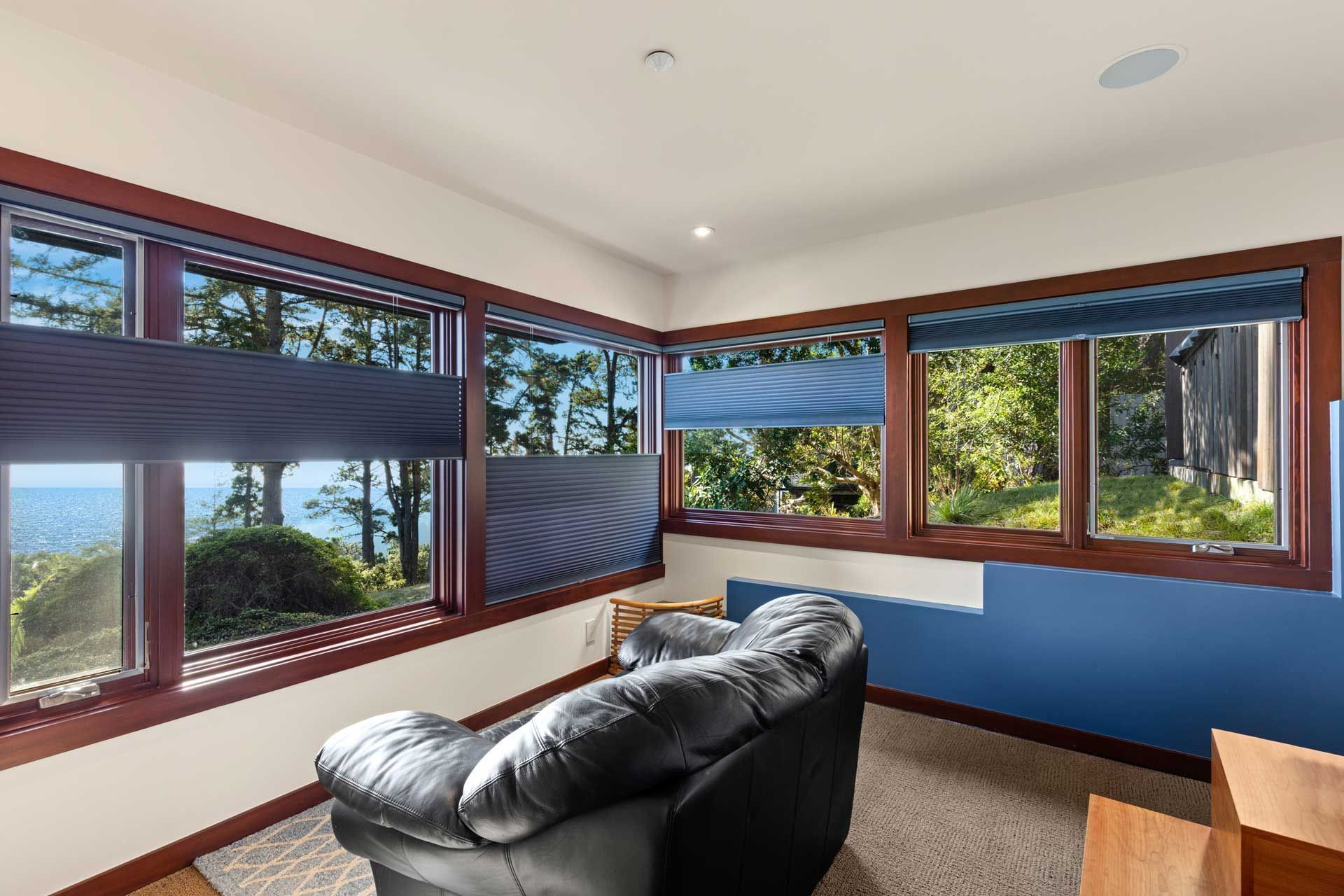
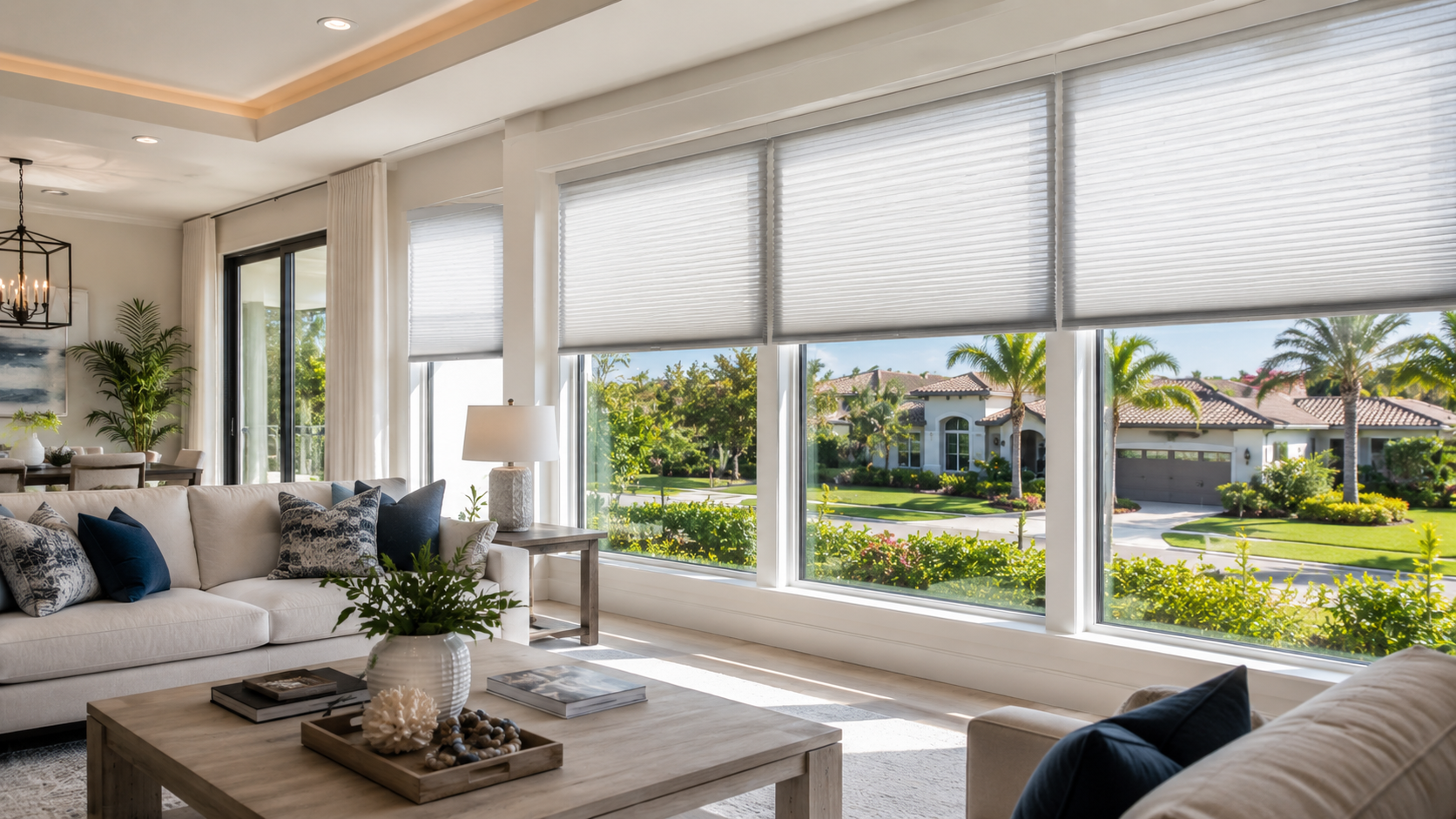
Cellular shades (honeycomb shades): The most universally compliant product in Boynton Beach condo communities. White or off-white cellular shades present a completely neutral exterior appearance, provide strong insulation value — important in high-rise buildings where HVAC efficiency matters — and are available in cordless and motorized versions. Lightweight enough for tension-mount installation where drilling is restricted. Works on almost any window size.
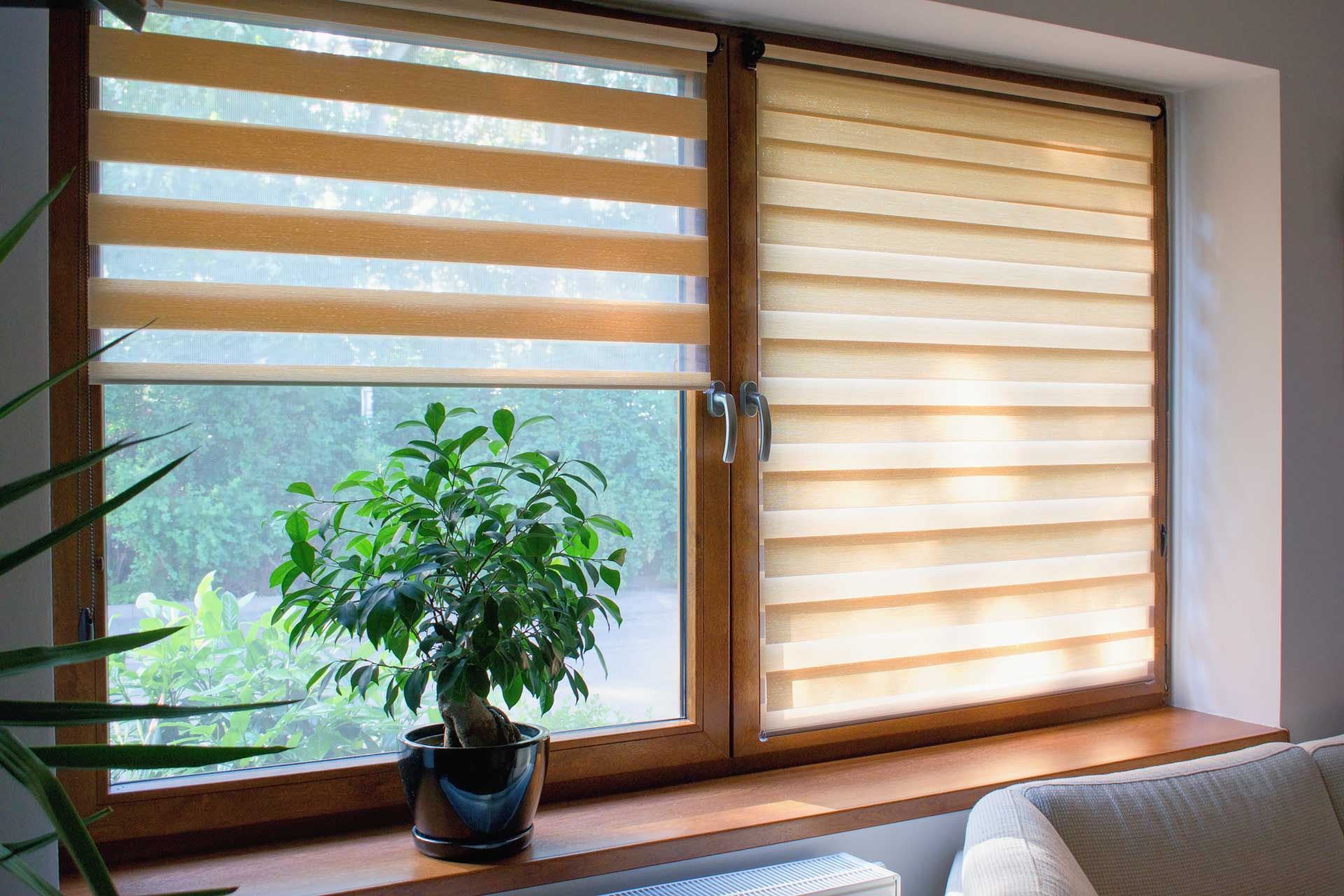
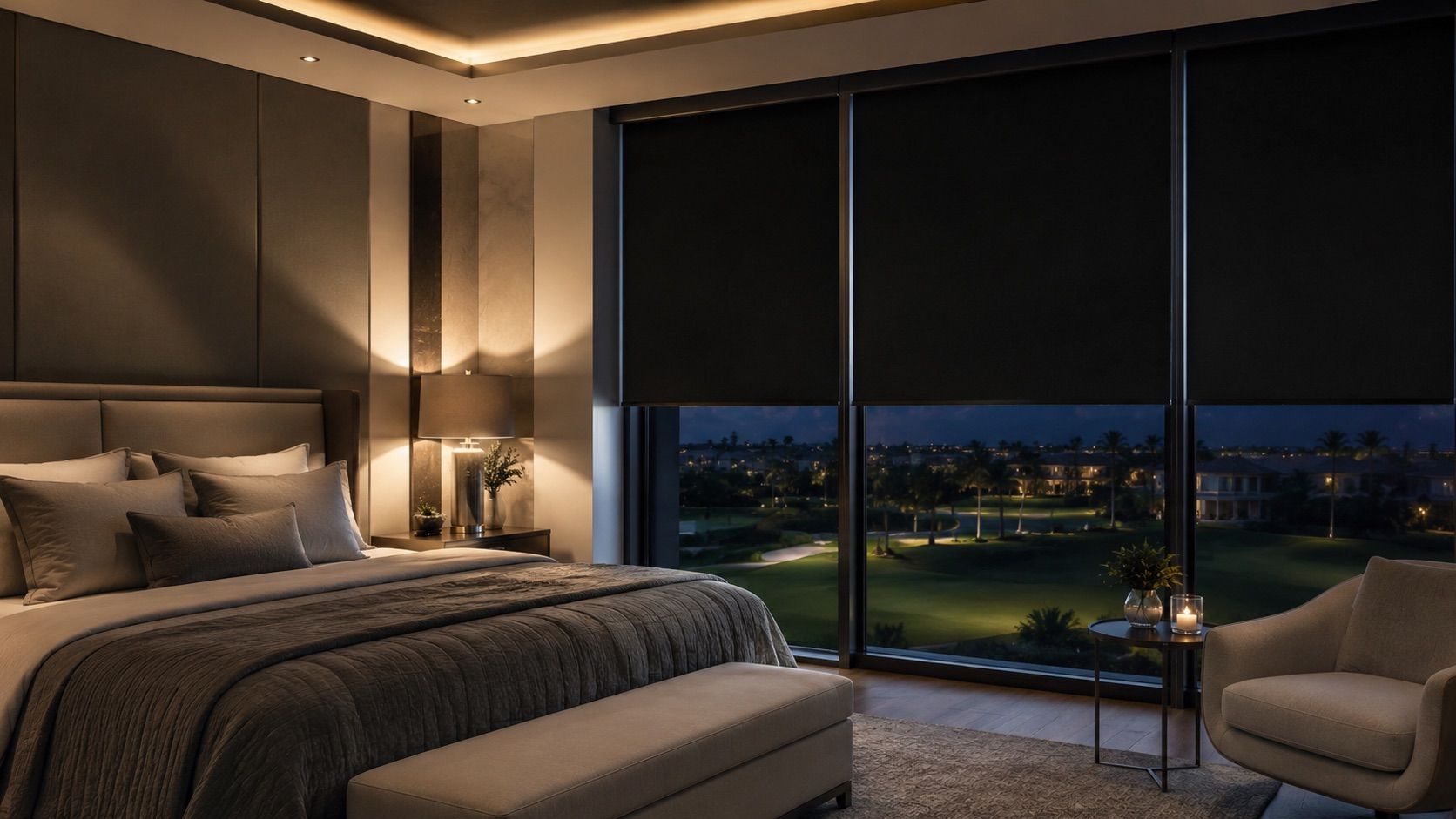
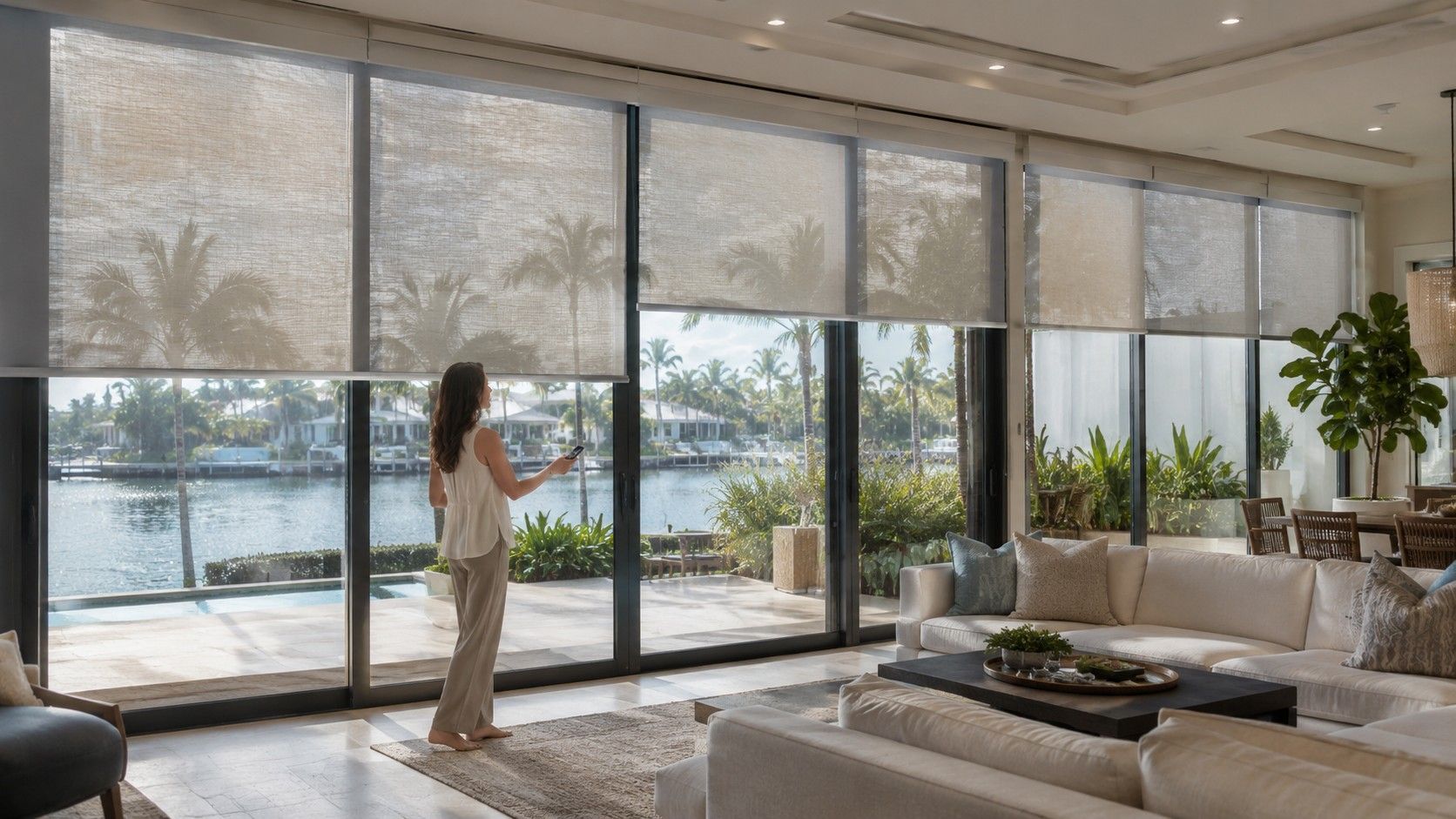
Roller shades with white backing: Clean, modern appearance inside the unit with white exterior-facing fabric that satisfies virtually every HOA exterior appearance requirement. Motorized versions are particularly practical in condos with large sliding door walls or high windows that are awkward to reach manually. Solar fabrics with a white backing filter heat and glare while maintaining HOA compliance.
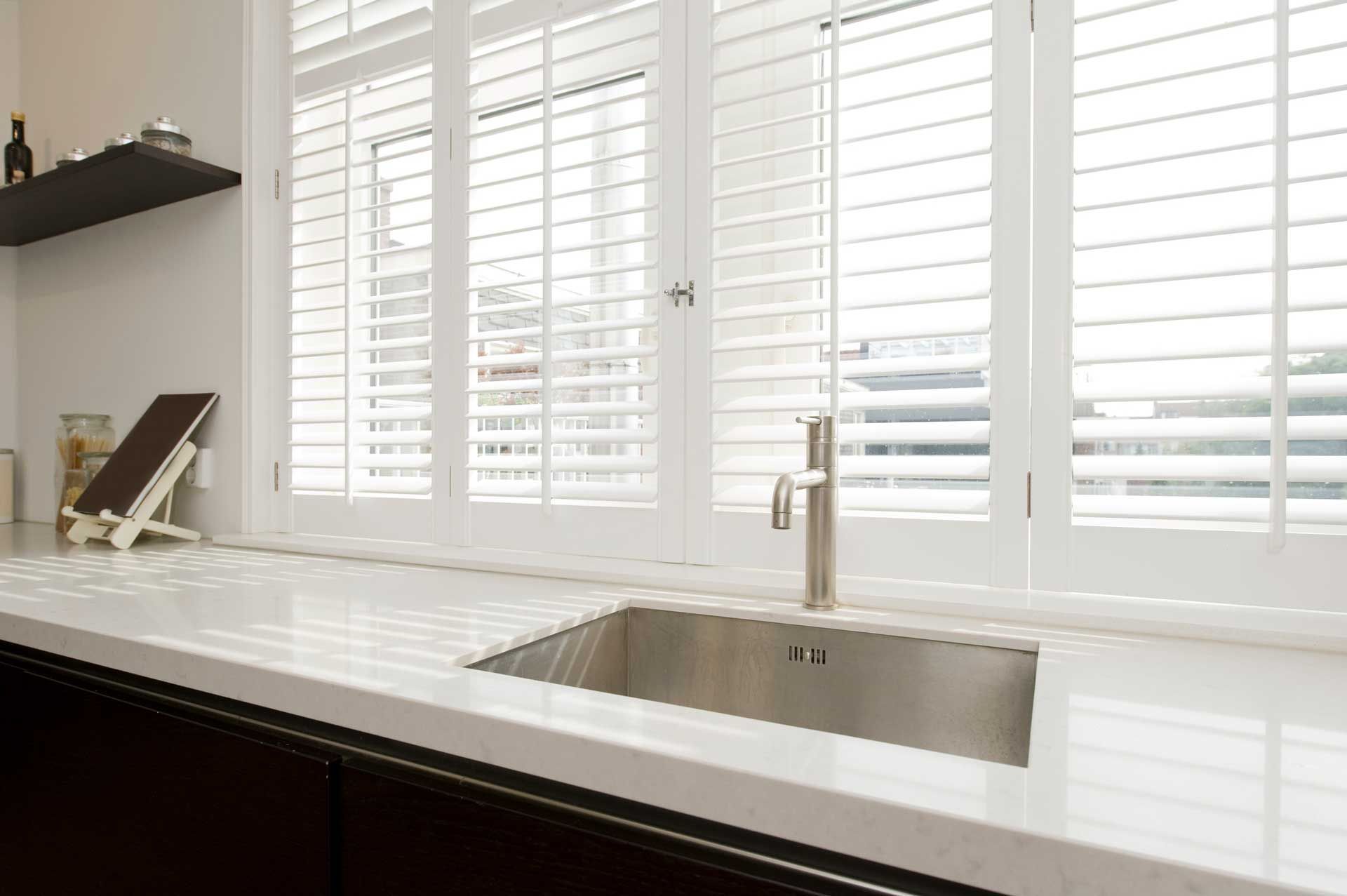
Composite plantation shutters: Heavier than shades but among the most HOA-compliant products available because their exterior appearance is clean, permanent-looking, and consistent with how upscale buildings want to present themselves. In Boynton Beach condo buildings that allow standard frame mounting, composite shutters in white are a premium long-term solution that rarely triggers any board concern.
What to avoid in most Boynton Beach condos: Vertical blinds on sliding doors — visible from outside and frequently cited in HOA violation notices. Dark or patterned fabric shades without verifying exterior appearance compliance. Any product requiring significant wall modification without board approval.
The Approval Process — Do This Before You Order
For products that require board notification or approval, the process in most Boynton Beach condo communities is straightforward but has to happen in the right sequence. You submit a written request to the architectural review committee or board with the product specifications — material, color, exterior-facing fabric color, manufacturer — before placing the order. Most associations respond within 30 days under Florida law. Some respond faster.
The mistake people make is ordering first and asking permission second. A board that would have approved the product with notification has no obligation to approve a product that was already installed without it. Getting the sequence right costs nothing and eliminates the risk entirely.
We bring product samples to every in-home consultation in Boynton Beach condo units specifically so you can see the exterior-facing fabric color against your window and confirm it against your HOA's requirements before committing to anything. If your CC&Rs require written board approval, we can provide the product specifications in the format most associations request.
One More Thing — Sliding Doors
Sliding glass doors in Boynton Beach condos are the window treatment decision that causes the most friction with HOA boards because they are almost always visible from shared areas, parking structures, or adjacent units. The standard vertical blind that came with the unit when you bought it — if it is still there — is frequently the source of HOA violation notices in buildings that have updated their appearance standards.
The two products that consistently solve the Boynton Beach condo sliding door problem are motorized panel track shades — which provide clean coverage across a wide opening without the dangling slat problem of vertical blinds — and wide-format motorized roller shades on a single headrail spanning the full door width. Both present a uniform appearance from outside. Both operate smoothly across the full width of a standard sliding door. Both are available in white-backed solar fabrics that satisfy HOA exterior requirements.
If you are replacing the vertical blinds on your condo sliding door in Boynton Beach and are not sure what your building allows, that is exactly the conversation to have during a free in-home consultation before anything is ordered or installed.